Cybersecurity | Identity Security | Threat Intelligence
Jan 5, 2026
The New Face of Cyber Threats: Why Digital Identity Security Matters More Than Ever
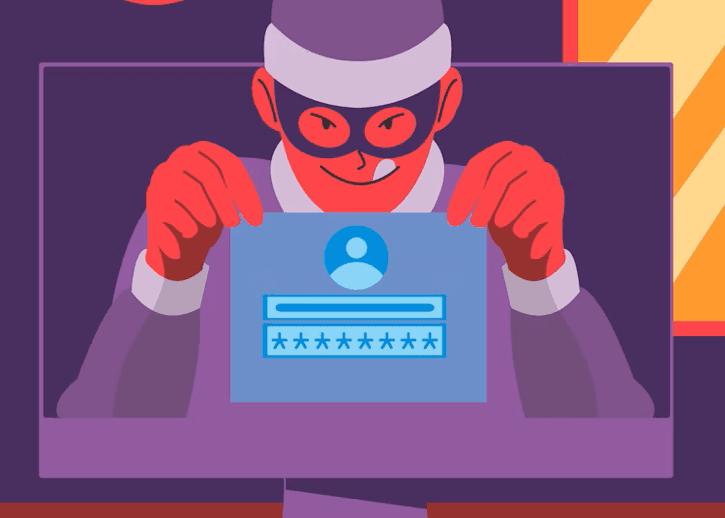
In today’s digital landscape, the most dangerous cyber threats no longer rely on breaking firewalls , they rely on breaking identities. Attackers understand that compromising a single user account can open the door to entire networks, cloud platforms, financial systems, and operational environments.
Modern hackers operate with precision. They use stolen passwords, AI-enhanced impersonation, deepfake audio, and social engineering tactics to appear legitimate. What looks like a trusted login, a routine email, or a normal access request may actually be the beginning of a full-scale breach.
This is why identity has become the new security perimeter.
Why Identity-Based Attacks Are Rising
Remote work has expanded attack surfaces
Cloud platforms rely heavily on identity and access keys
Credentials are cheaply sold on the dark web
MFA fatigue and push-bombing attacks exploit human behaviour
AI tools generate convincing impersonations of employees and executives
Attackers no longer need to hack the system , they simply log in.
How Organisations Can Stay Protected
To defend against these modern threats, businesses must adopt a stronger identity-first security approach:
Enforce phishing-resistant MFA (FIDO2, Passkeys)
Monitor user behaviour anomalies with UEBA
Harden access permissions with least privilege principles
Rotate and protect API keys, secrets, and credentials
Educate teams on identity-based social engineering
Implement Zero Trust to validate every request
The CoreDefense Approach
At CoreDefense, we help organisations strengthen identity security through:
Zero Trust advisory
Identity governance & privileged access management
Threat intelligence-led monitoring
Attack-path analysis & red team simulations
Cloud and hybrid identity risk assessments
The future of cybersecurity is clear:
if attackers can impersonate you, they can compromise you.
Securing digital identities is no longer optional , it's the foundation of modern cyber resilience.